

eSmart
Recycling
Securely manage and recycle technology to sustainably maximize and measure social impact.
#eSmartWay
Certifications



What best describes you?
Choose Your Path to Make a Difference
Business / Institutional
IT Asset Management and Disposition Services that fit your needs.
Nonprofits
A sustainable source of refurbished computers for the kids and families you serve
Residential
Recycle your old electronics, and join the E-Revolution
Discover the
eSmart way
It's always a win-win-win
and let’s create one together.
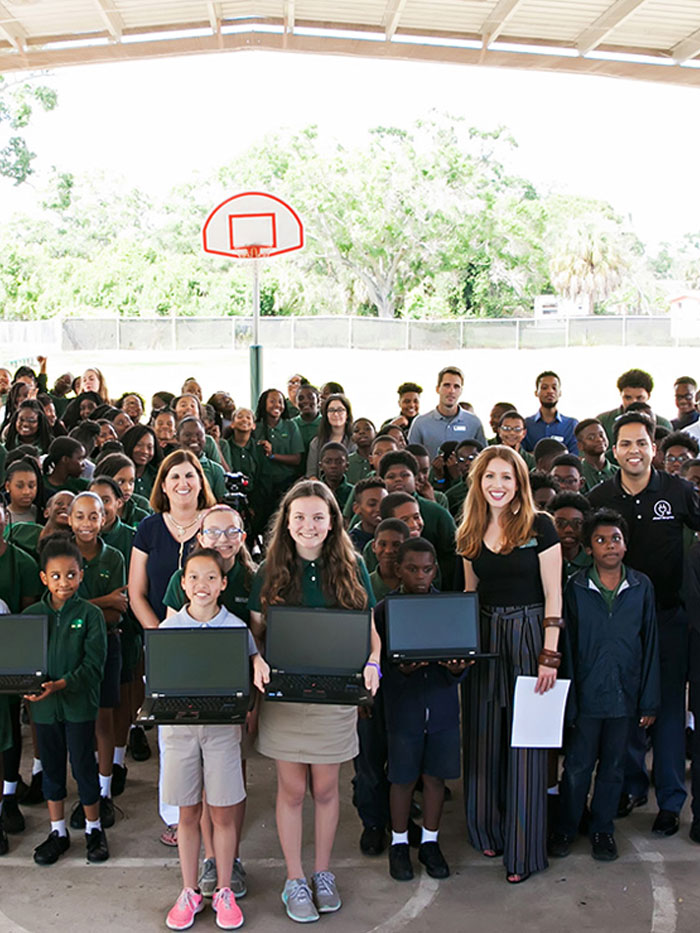
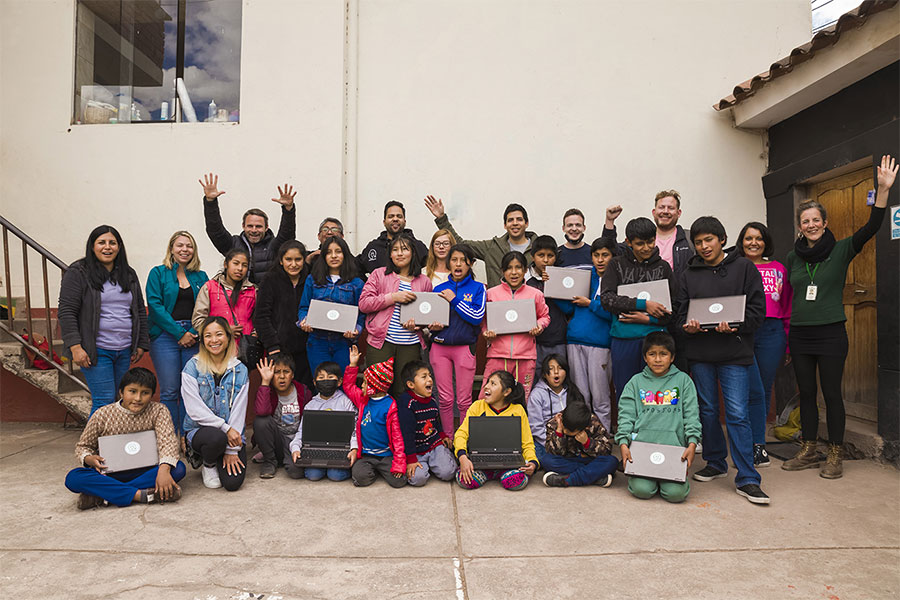



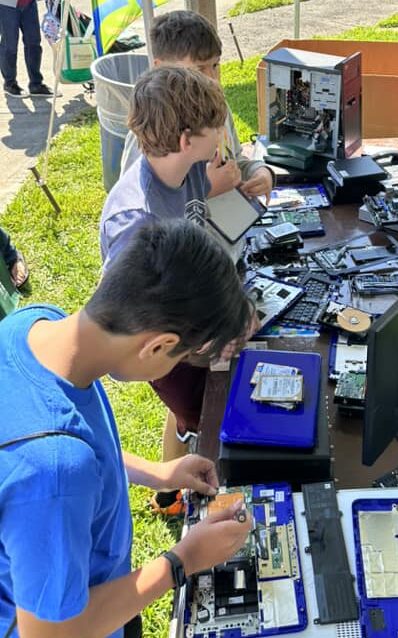
Meet the network behind every refurbished computer
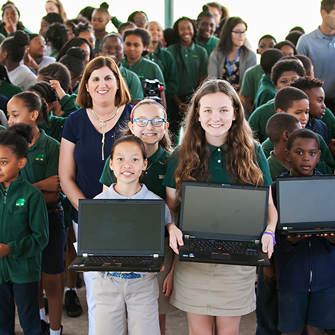
eSmart Recycling provides refurbished technology and supports the efforts of The Digital Education Foundation, which works alongside amazing community partners to connect kids and families with computers, connectivity, and digital education.







Strategic Academic Partnership


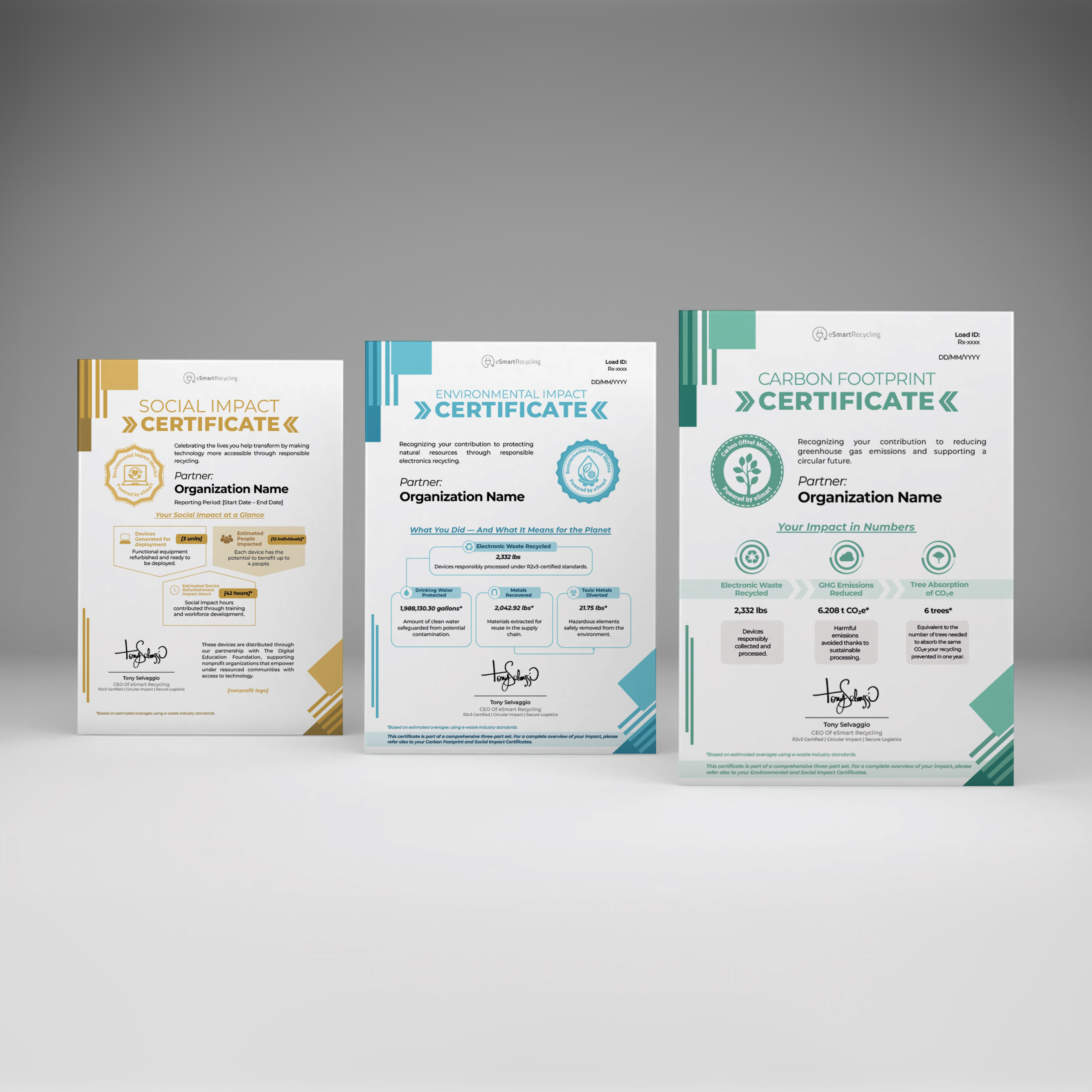
Measure and showcase
your environmental and social impact
Keep track of the efforts in real-time through your partner portal.
Need tailored reporting for your sustainability goals?
We design custom plans to align with your company’s impact strategy.
Highest complience standarts
for data security and recycling
Your data security is one of our biggest priorities. We are 100% committed to protecting your personal and business information, IT assets, and business interests.
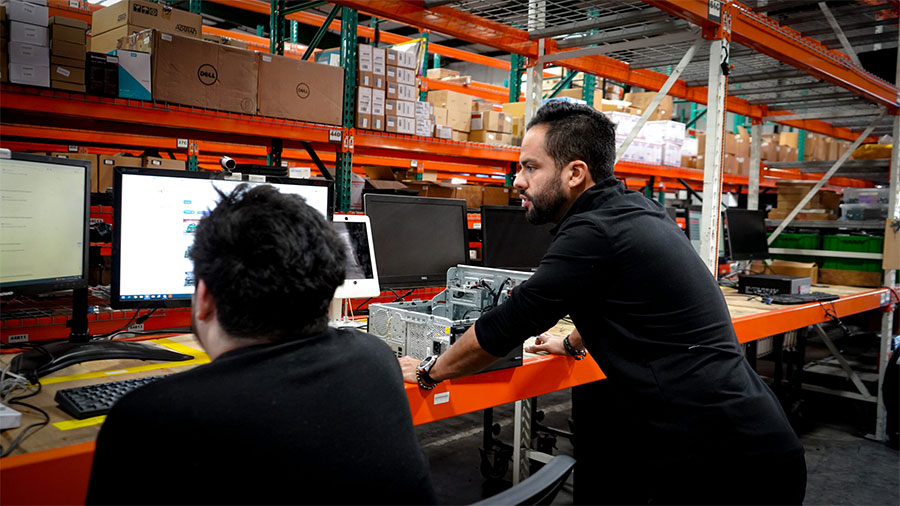
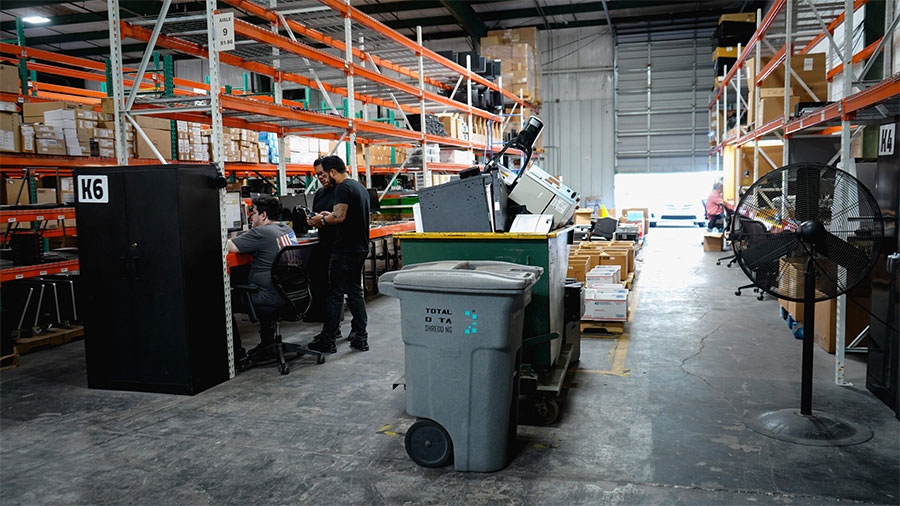
At eSmart Recycling, we understand our customers need to focus on what they do best, and that’s why they rely on us to get the job done, right. We provide a transparent full chain of custody as we manage the process of recycling, reuse, recovery, and retirement of electronic material at the highest compliance standards.
For more information about standards, certificates and compliance requirements, please contact us directly.
How does the
process work
1.
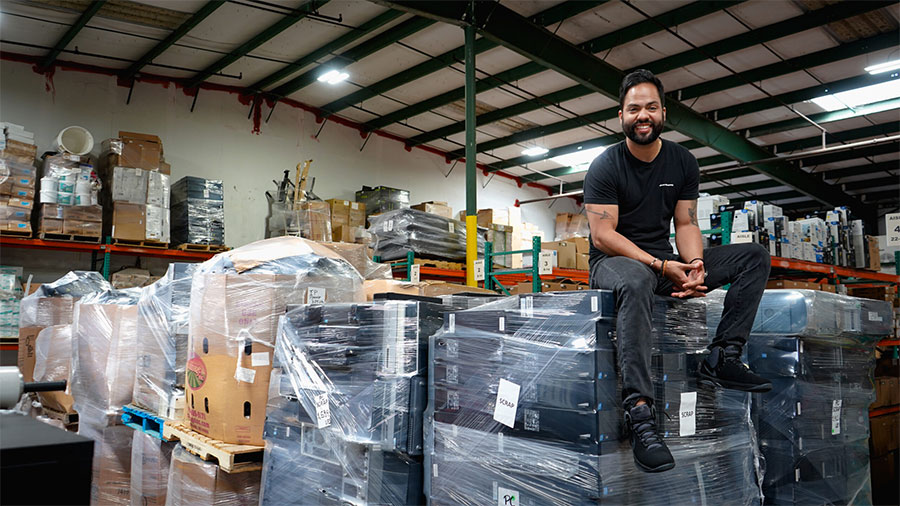
Equipment Collection: We take care of all the logistics.
2.
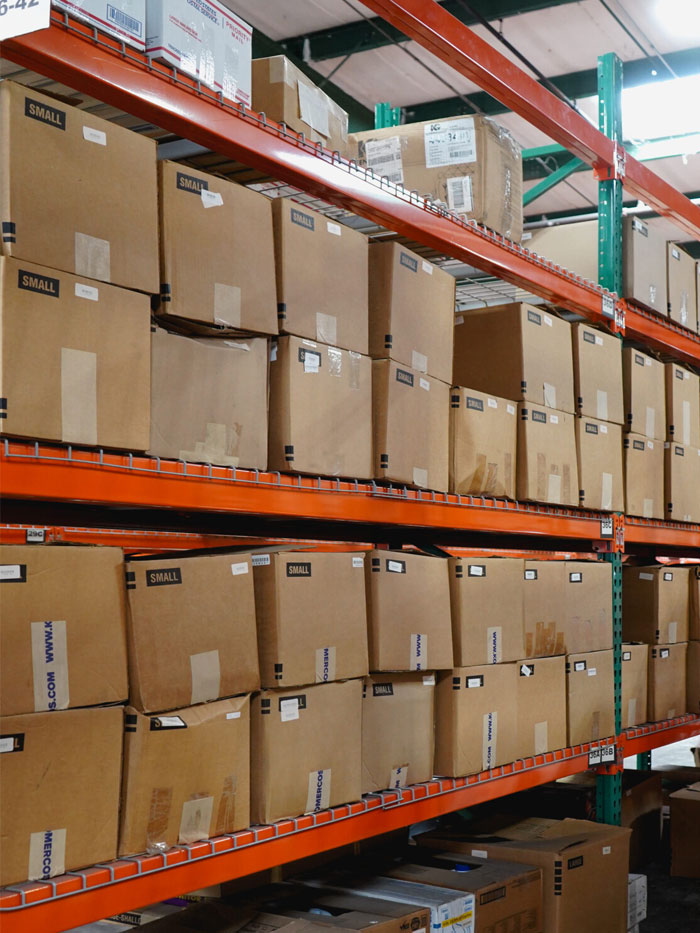
Audit and Inventory: Our robust inventory process takes account of every piece of equipment we collect, and we report it back to you.
3.
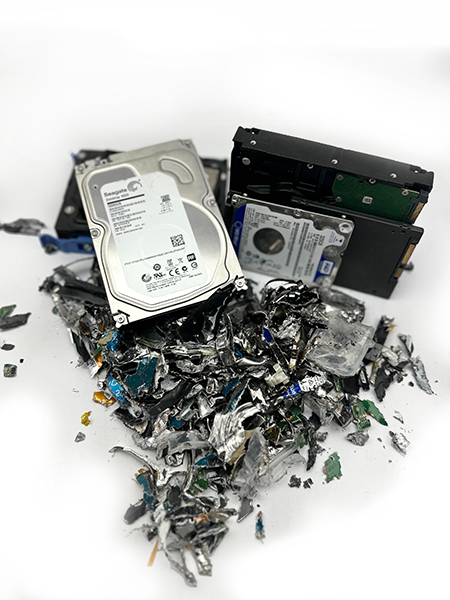
Data Destruction: We are your last line of defense. Here is when we remove hard drives and other data or media-containing devices and destroy them.
4.
Assessment: Here's where we find the best ways we have to monetize and generate impact with the material that was picked up.
5.
Partner Report: You'll receive access to your partner portal, where you will see exactly all documentation from each pick-up, such as your audit report, and certificate of data destruction. You will know your environmental footprint.
6.
Deployments and social impact: About 20% of our proceeds go towards funding computers for kids and families worldwide who don't have access to technology in partnership with the Digital Education Foundation.
Featured in:
![logos2[1]-04](https://esmartrecycling.com/wp-content/uploads/2023/09/logos21-04.png)
![logos2[1]-07](https://esmartrecycling.com/wp-content/uploads/2023/09/logos21-07.png)
![logos2[1]-08](https://esmartrecycling.com/wp-content/uploads/2023/09/logos21-08.png)
![logos2[1]-09](https://esmartrecycling.com/wp-content/uploads/2023/09/logos21-09.png)
![logos2[1]-10](https://esmartrecycling.com/wp-content/uploads/2023/09/logos21-10.png)
![logos2[1]-12](https://esmartrecycling.com/wp-content/uploads/2023/09/logos21-12.png)
![logos2[1]-13](https://esmartrecycling.com/wp-content/uploads/2023/09/logos21-13.png)
![logos2[1]-14](https://esmartrecycling.com/wp-content/uploads/2023/09/logos21-14.png)
![logos2[1]-18](https://esmartrecycling.com/wp-content/uploads/2023/09/logos21-18.png)
![logos2[1]-11](https://esmartrecycling.com/wp-content/uploads/2023/09/logos21-11.png)


+ 10,000
Kids and families now have access to technology because of our joint efforts
+ 10,000
Kids and families now have access to technology because of our joint efforts
+ 10,000
Kids and families
now have access to technology
because of our joint efforts
Join us in making the world a better place
As we continue to evolve, we are understanding that equality of opportunities across the board must be a priority on everyone’s agenda. Humanity’s biggest threat right now is the lack of sustainable access to basic human rights, such as education, and technology. It is our responsibility to lead by example, to think outside the box, and to work together to solve the problems our community is facing. It starts with an old computer.
Are you ready to join the E-Revolution?

Tony Selvaggio, CEO

Our team
Awesome people great results
Together we can make a difference, and our team is the driving force that turns ideas into reality.

Sol Tello
Partner Development Specialist


Walter
Test Bench Specialist


Fernando
Packing Specialist.


Ronald
Route Specialist


Luis
Warehouse Manager


Antonio
e-Commerce Sales Specialist
We take action
Because every number tells a story

Adults will have received no education beyond primary school by 2030 — Gordon Brown.
Of electronics end up in landfills, contaminating the earth, according to the EPA.
Of our proceeds go toward refurbishing computers and deploying them through our amazing community partners.
Computer deployed through our programs reaches an average of four people.
Every stat represents a life changed, a computer reused, a step toward a better world.

Our blog
Recent News & articles
Stay up to date on what we are doing in the community along with our partners, and other relevant information in the world of technology, and sustainability.

October 2, 2026
We have some exciting news to share: eSmart Recycling was recently featured by Spectrum Bay News 9 as part of our efforts to promote September as E-Recycling Month in Tampa Bay.
The station visited our facility in Tampa to learn more about the initiative and see what happens to the electronics we receive, from testing and sorting devices to securely wiping data and preparing suitable equipment for reuse or donation.
The story was published on September 23, 2026, under the title “Tampa company promotes e-recycling and gives old technology a second life.”
Read the full story on Spectrum Bay News 9
Why did Spectrum Bay News 9 visit eSmart Recycling?
The visit happened during September, as we were working with local organizations to promote the month as E-Recycling Month in Tampa Bay.
Together with organizations including Tampa Bay Tech and the Digital Education Foundation, we wanted to bring more attention to what happens to electronics after people and businesses are finished using them.
That conversation led Spectrum Bay News 9 to our facility.
Their team came to see the process for themselves and speak with the people who handle these devices every day.
- Laptops.
- Monitors.
- Headphones.
- Computers and other electronics.
Once they arrive, we review the equipment and determine what can happen next.
Some devices can continue to be used. Some may need repairs. Others can be prepared for resale or donation. Equipment that cannot continue in its current form can move through material recovery processes.
There is also another part of the process that matters every time a device contains information: data security.
What did Spectrum Bay News 9 see inside our facility?
During the visit, our test bench coordinator, Logan Melton, spoke about how we handle data before devices move to their next destination.
Computers, tablets and other devices go through our data-wiping process before they are sold, donated or reused.
That matters because an old device can still contain personal photos, documents, passwords or business information.
The hardware may be ready for its next chapter, but the information stored inside it still needs to be handled properly.
That is why data security is part of our everyday process.
For us, reviewing a box of electronics is simply part of the day. We check what has arrived, test the equipment, see what can still be used and make sure the data is securely removed before deciding what comes next.
It was great to have Spectrum Bay News 9 show that side of the process to the Tampa Bay community.
What can happen to a laptop after it reaches us?
This was another part of the story that we were especially happy to share.
Some of the laptops we receive are still in good enough condition to be refurbished and given another purpose.
And sometimes, that next destination is a child’s home.
Spectrum Bay News 9 reported that around half of the laptops in our warehouse that are in suitable condition can eventually end up in the hands of children. Read the Spectrum Bay News 9 report
That can make the story of a used device pretty interesting.
- A laptop can leave an office and become a student’s computer.
- A device that has been sitting in storage can become useful again.
- A computer that one family no longer needs can become a resource for another.
This is also where our work with organizations such as Tampa Bay Tech and the Digital Education Foundation becomes important.
During the report, our founder, Tony Selvaggio, spoke about the role of these partnerships and why working together matters when it comes to e-recycling and access to technology in Tampa Bay.
Why are we sharing this?
Because most of our work happens behind the scenes.
Someone brings us a box of electronics and, for them, that may be the end of the story.
For us, it is where another part begins.
We receive the equipment, check what is inside, test the devices, handle the data securely and determine what can happen next.
That is our everyday routine.
Having Spectrum Bay News 9 visit gave us the chance to show that process to people across Tampa Bay.
It also gave us another way to talk about E-Recycling Month and why conversations around used electronics matter.
September gave us a reason to start the conversation.
The work itself continues throughout the year.
Thank you, Spectrum Bay News 9
We are grateful to Spectrum Bay News 9 for visiting our Tampa facility, meeting our team and sharing our story with the community.
We are also thankful to Tampa Bay Tech and the Digital Education Foundation for being part of the conversation around E-Recycling Month and helping bring more attention to the role technology can play in our communities.
For us, seeing eSmart Recycling featured on local television was a great moment.
But the best part is knowing that more people in Tampa Bay now have a better idea of what can happen to their old electronics after they leave their homes or offices.
The cameras have left.
The story is online.
And tomorrow, we’ll be right back here doing what we do every day: receiving technology, testing it, protecting the data and finding the right next step for each device.
Thank you, Spectrum Bay News 9, for stopping by and helping us share our story.
August 31, 2023
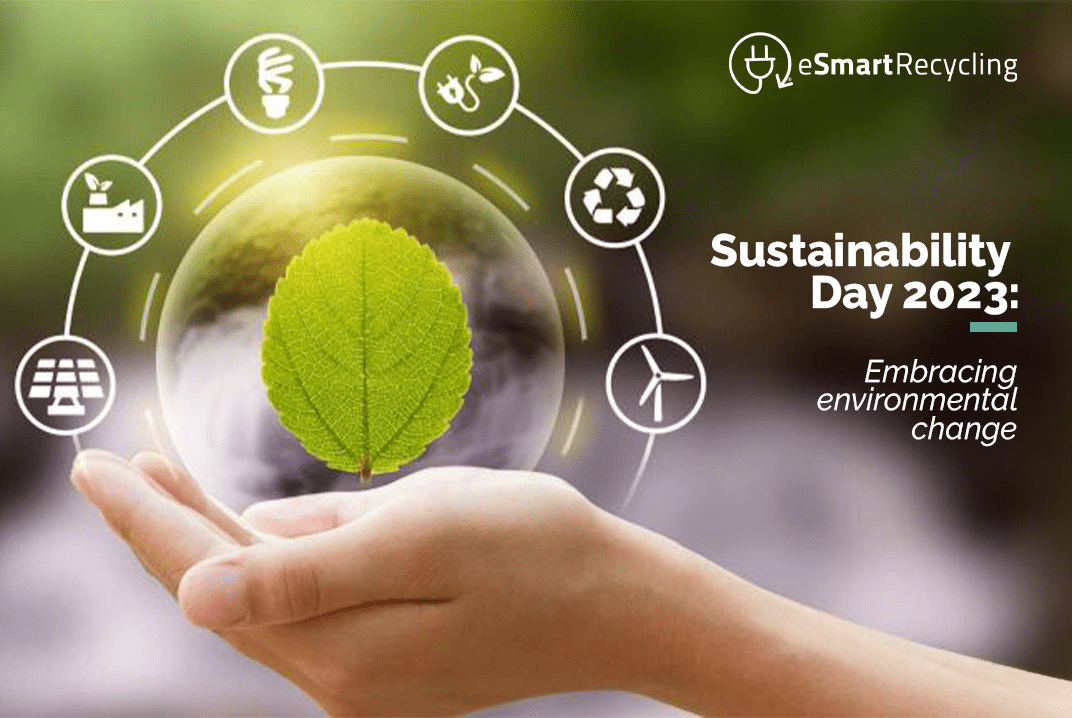
World Sustainability Day is an annual event celebrated globally to raise awareness about environmental issues and promote sustainable practices. This day serves as a reminder of the importance of preserving our planet for future generations. In 2023, Sustainability Day aims to inspire individuals, organizations, and governments to intensify their efforts toward creating a greener and more sustainable future.
Tackling the Trend Toward Environmental Sustainability
In 2023, there is a growing trend to prioritize environmental sustainability. People from all walks of life are becoming increasingly aware of the impact of their actions on the planet. Companies are adopting sustainable practices not only to protect the environment but also to enhance their reputation and appeal to environmentally-conscious consumers. Governments also play a pivotal role by implementing policies and regulations that promote sustainability.
One of the main drivers of this trend is the growing concern about climate change. With rising global temperatures, extreme weather events, and the melting of polar ice caps, the need for immediate action has never been so pressing. Sustainability Day 2023 aims to accelerate efforts to reduce greenhouse gas emissions, conserve resources, and transition to renewable energy sources.
Green Initiatives for 2023
Several green initiatives are set to launch in 2023 to pave the way for a greener future. These initiatives focus on various aspects of sustainability and aim to tackle key environmental challenges. Notable green initiatives to watch out for include:
Sustainable Energy Transition
The shift from fossil fuels to renewable energy sources is gaining momentum. In 2023, we can expect increased investments in renewable energy projects such as solar and wind. Governments and businesses are recognizing the potential of these clean energy sources to cut carbon emissions and mitigate climate change.
Circular Economy
The circular economy concept seeks to minimize waste and maximize resource efficiency. In 2023, more companies are anticipated to implement sustainable practices like recycling, upcycling, and adopting eco-friendly packaging. The goal is to establish a closed-loop system where materials are reused instead of discarded.
Sustainable Agriculture
Agriculture significantly impacts the environment. In 2023, we foresee the expansion of sustainable farming practices like organic farming, precision agriculture, and regenerative farming techniques. These methods focus on reducing chemical inputs, soil erosion, and water use while ensuring food security and soil health.
The Significance of Sustainability Day
Sustainability Day plays a vital role in promoting environmental awareness and driving positive change. This annual event provides a platform to educate and engage individuals, businesses, and policymakers about the importance of sustainable practices. By raising awareness, Sustainability Day encourages people to adopt green habits, businesses to implement sustainable strategies, and governments to enact policies that prioritize the environment.
By celebrating Sustainability Day, we can collectively work towards a more sustainable future. The decisions we make today will have a lasting impact on the planet and future generations. Embracing sustainability isn’t just a trend; it’s essential for our planet’s survival.
At eSmart Recycling, we are committed to promoting sustainability and environmental awareness. Through our electronic waste recycling services, we aim to minimize the environmental footprint of electronic devices by ensuring their proper recycling and disposal. Join us in celebrating Sustainability Day 2023, and together let’s build a greener future.

August 31, 2023
Rural areas play a crucial role in our society, providing essential resources and maintaining a harmonious balance between nature and people. However, sustainable development in these regions has become increasingly important as we strive to address global challenges like climate change and resource depletion. In this article, we will explore effective strategies to promote sustainability in rural areas and ensure their long-term viability.
The importance of sustainable rural development.
Sustainable rural development is a comprehensive approach that seeks to balance economic growth, social equity, and environmental stewardship in rural areas. By adopting sustainable practices, these regions can enhance the well-being of their communities while preserving their natural resources for future generations. Here are some key reasons sustainable rural development is vital:
- Preserving the environment.
Rural areas often have pristine habitats, rich biodiversity, and fragile ecosystems. Promoting sustainability in these regions safeguards these natural resources from overexploitation and degradation. By encouraging practices such as organic farming, afforestation, and wildlife conservation, we can maintain the ecological balance and protect various species that thrive in rural landscapes.
- Enhancing livelihood opportunities
Sustainable rural development fosters economic growth while ensuring equitable distribution of resources. Investing in local enterprises, supporting small-scale agriculture, and promoting tourism can create employment opportunities for rural communities. Additionally, encouraging entrepreneurship and innovation can help generate sustainable revenue streams and improve the quality of life for rural inhabitants.
- Food security and resilience.
Rural areas are often the backbone of the agricultural sector, providing food and essential raw materials. Sustainable practices such as organic farming, crop rotation, and water-efficient irrigation systems can enhance agricultural productivity while reducing the use of harmful chemicals and preserving soil health. These measures ensure food security for the growing global population and strengthen rural communities’ resilience against climate change impacts.
Strategies for promoting sustainability in rural areas
Now that we understand the significance of sustainable rural development, let’s explore some effective strategies to promote sustainability in these areas:
- Education and Awareness
Creating awareness about sustainable practices is crucial for driving change in rural areas. Local schools and community centers can organize workshops and training programs to educate farmers and residents about environmentally friendly techniques, waste management, and energy conservation. Raising public awareness helps build a sustainable mindset and empowers individuals to make responsible choices.
- Infrastructure development
Investing in sustainable infrastructure is vital for rural development. This includes efficient transportation systems, renewable energy sources, and improved water and sanitation facilities. Building eco-friendly infrastructure not only enhances the quality of life for rural communities but also helps reduce their carbon footprint and dependence on fossil fuels.
- Support for local enterprises
Empowering local small-scale enterprises is key to sustainable rural development. Governments and organizations can provide rural entrepreneurs with financial support, technical assistance, and market access. Encouraging the use of local resources, promoting traditional crafts, and facilitating access to markets can help these businesses thrive while preserving the unique cultural heritage of rural areas.
- Natural resource management
Efficient management and conservation of natural resources are crucial for sustainable rural development. Implementing sustainable farming practices, promoting watershed protection, and encouraging responsible forestry are essential steps to preserve biodiversity and maintain the ecological balance. Moreover, promoting sustainable fishing practices and protecting aquatic ecosystems can help ensure the long-term viability of rural communities dependent on aquatic resources.
The way forward
Promoting sustainability in rural areas is a collective effort that requires collaboration between governments, communities, and various stakeholders. Developing policies and incentives that prioritize sustainable practices while fostering innovation and empowering local communities is essential. By investing in sustainable infrastructure, educating and raising awareness, supporting local enterprises, and implementing effective natural resource management strategies, we can pave the way for a prosperous and resilient future for rural areas.
Remember, sustainable rural development is not just a choice but a necessity. It is time to take action and positively impact the environment, economy, and social well-being of rural communities.

August 31, 2023
At eSmart Recycling, we are committed to providing efficient and reliable electronic recycling services to both individuals and businesses. We understand the importance of responsibly disposing of electronic devices and aim to ensure that they are recycled in an environmentally friendly manner. In this article, we will discuss the various types of devices that we accept at eSmart Recycling and the services we offer to make the recycling process hassle-free.
1. Smartphones and tablets
Smartphones and tablets have become an integral part of our daily lives. As technology advances rapidly, many of us frequently upgrade to newer models. By recycling these devices properly, we help prevent hazardous substances such as lead, mercury, and cadmium from entering our ecosystem.
2. Computers and laptops
With the constant evolution of technology, computers, and laptops have become essential tools for both personal and professional use. However, when outdated or damaged, they can contribute to electronic waste if not handled properly. Our expert team ensures that all sensitive data stored on these devices is securely erased before recycling.
3. Printers and scanners
Printers and scanners play a vital role in many offices, but they can become outdated or malfunction over time. We accept a wide range of printers and scanners, including laser printers, inkjet printers, and flatbed scanners. Our recycling process adheres to strict environmental standards, ensuring that both the electronic and plastic components are appropriately recycled.
4. Gaming consoles and accessories
Gaming consoles and accessories have gained immense popularity, inspiring countless hours of entertainment for users worldwide. However, as newer models are released, older ones often end up unused and forgotten. eSmart Recycling accepts gaming consoles, controllers, and accessories, allowing you to declutter your space responsibly. Our recycling process ensures that these electronic devices do not end up in landfills, posing potential harm to the environment.
Services offered
1. Secure data destruction
Protecting sensitive information is crucial, especially when recycling computers and laptops. At eSmart Recycling, we prioritize data security and offer secure data destruction services. Our professional technicians utilize industry-leading techniques to ensure that all data stored on recycled devices is irreversibly erased, keeping your confidential information safe.
2. Environmentally friendly recycling
We pride ourselves on adhering to environmentally friendly recycling practices. When you recycle your electronic devices with eSmart Recycling, you can rest assured that they will be processed using sustainable methods. Our certified recycling facilities are equipped to handle various types of electronic waste responsibly, minimizing the impact on our environment and conserving valuable natural resources.
3. Compliance with regulatory standards
We understand the importance of complying with regulatory standards when it comes to electronic waste disposal. Our processes align with all applicable local, national, and international regulations, ensuring that your devices are recycled in compliance with the law. By choosing our services, you contribute to a safer and cleaner environment while avoiding any legal implications related to improper disposal.
When it comes to responsible electronic recycling, eSmart Recycling is a trusted partner. We accept a wide range of devices, including smartphones, tablets, computers, printers, gaming consoles, and more. With our free pickup and collection services, secure data destruction, and environmentally friendly recycling practices, we aim to make the recycling process hassle-free for our customers. Choose eSmart Recycling for all your electronic recycling needs, and be confident knowing you are making a positive impact on the environment.





Join the E-Revolution
Did you enjoy our latest blog articles just above?
Subscribe to receive new stories, insights, and impact updates straight to your inbox.
We’ll send you curated content about our partners, recycling strategies, success stories, and how your involvement is driving change through technology access and digital empowerment.
💡 No spam, just the smart stuff.